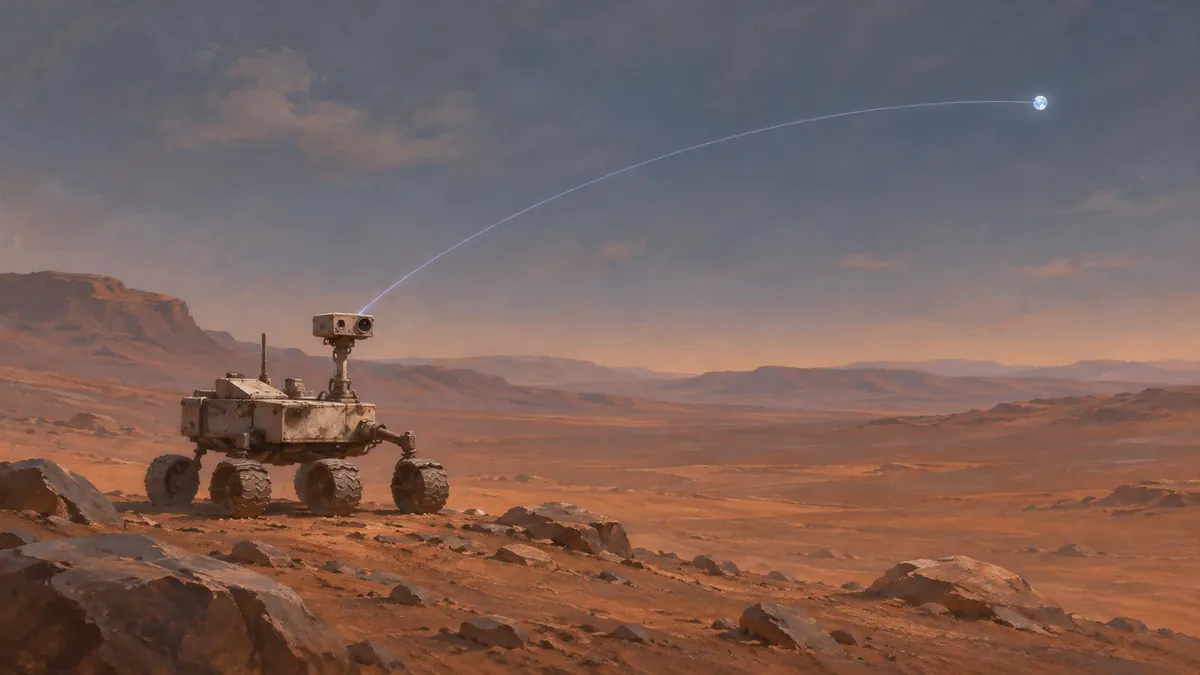
Dragon returns research samples to Earth after the delayed departure
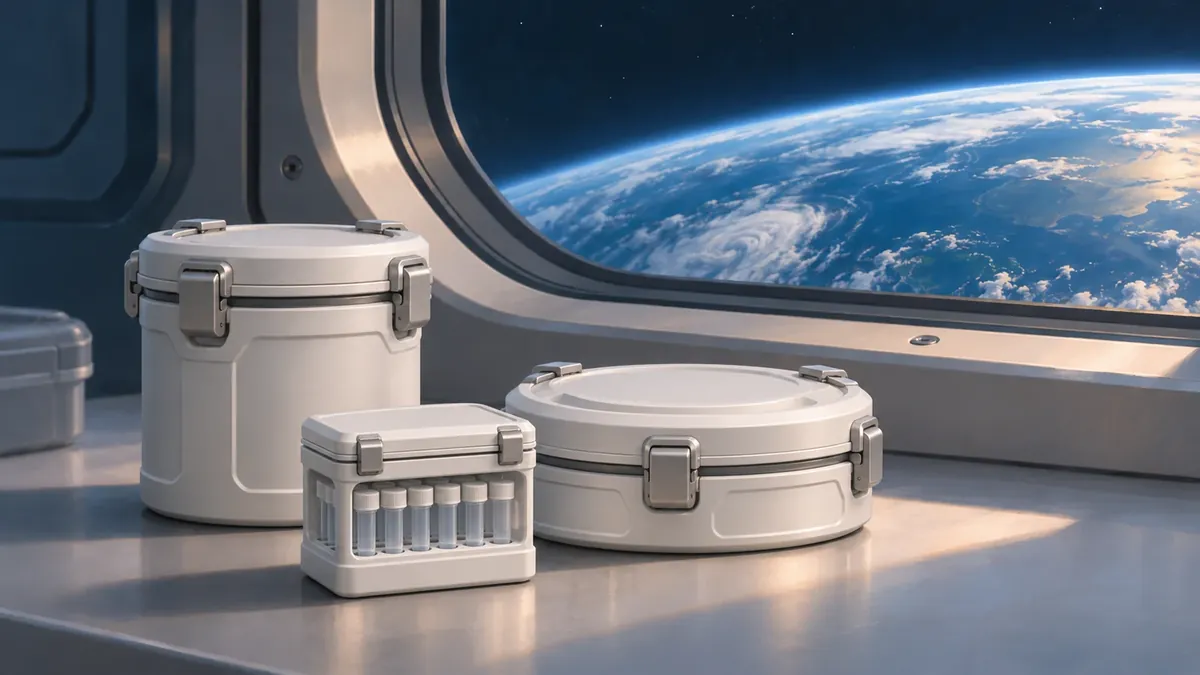
SpaceX's Dragon cargo spacecraft splashed down off Los Angeles on November 21, bringing research material back from the International Space Station, NASA said. The completed return replaces the earlier timetable that had been disrupted by weather.
NASA recorded the Pacific landing at 2:03 p.m. PST, or 12:03 a.m. on November 22 in Israel. The uncrewed spacecraft had undocked on November 20. Its return completed NASA's 35th commercial resupply mission with SpaceX.
What came back
In its >return update (opens in a new tab), NASA described several different kinds of research cargo. One was a three-dimensional bioprinted blood-vessel construct used in work on vascular aging and cardiovascular disease. Another consisted of frozen tumor organoids that had received treatments aboard the station.
NASA also listed frozen microbial samples from research into how antibiotic-resistant bacteria survive, adapt and evolve in space. These are separate investigations, with different questions and materials. Their shared journey home should not be read as a shared medical conclusion.
The agency said the tumor research could contribute to future cancer treatments and personalized medicine. That describes the purpose of the work. The splashdown announcement does not establish that a treatment works in patients, or that the returned samples have already produced a clinical advance.
Hardware with a longer stay
The return cargo also included a lighting system that had spent more than three years aboard the station. NASA described the experiment as examining lighting's potential to support astronaut sleep and well-being during long missions. Its return is a hardware milestone, distinct from the much shorter stay of this particular Dragon spacecraft.
Dragon launched on October 13 and reached the station on October 15. Those dates describe the delivery mission; they do not mean every returned experiment began in October.
From a departure plan to a completed return
The important change for this story is now observable in NASA's mission account: the spacecraft has landed. Earlier estimates of departure and splashdown should give way to the actual times, while the scientific claims remain bounded by what the agency has reported.
For readers following the research, the next substantive development will be the investigators' findings. Recovering experimental material makes further analysis possible. It is not, by itself, an announcement of a new therapy or an explanation of the experiments' results.

 Felix Honigwachs