Antarctica InSync turns to the practical work of coordinating polar research
Antarctica InSync is moving from shared scientific priorities toward a plan for coordinating field campaigns, satellite observations and data use. In a November 20 update, the European Space Agency described the next steps for the initiative’s planned 2027–2030 implementation and analysis period. Further consultation is still ahead, and the final implementation plan is expected in early 2027.
The new update follows a workshop held on November 10–13 at ESA’s ESRIN center in Frascati, Italy. The meeting brought together more than 130 participants in person from 29 countries, alongside online participants. The workshop has already taken place; the continuing development is the work on a common operational plan.
Agreeing on how observations can fit together
ESA’s >account of the implementation work (opens in a new tab) describes collaboration among researchers, campaign planners, logistics specialists and data managers. The intended outputs include standard procedures for important measurements, a field-campaign catalogue, an Earth-observation plan, modelling resources and a data-management plan.
These are practical requirements for research that crosses disciplines. Measurements can be individually useful yet difficult to compare when their timing, methods or descriptions differ. A shared plan should help teams identify those differences before observations are combined. That is the rationale for coordination, not evidence that every compatibility problem has already been solved.
The initiative’s earlier science-planning workshop, held in November 2025, produced a science plan spanning seven themes. ESA describes work covering the Southern Ocean, sea ice, the ice sheet, biodiversity, human impacts, the atmosphere and climate. The current stage asks how campaigns and information systems can support that agenda.
Connecting satellites with work on the ground
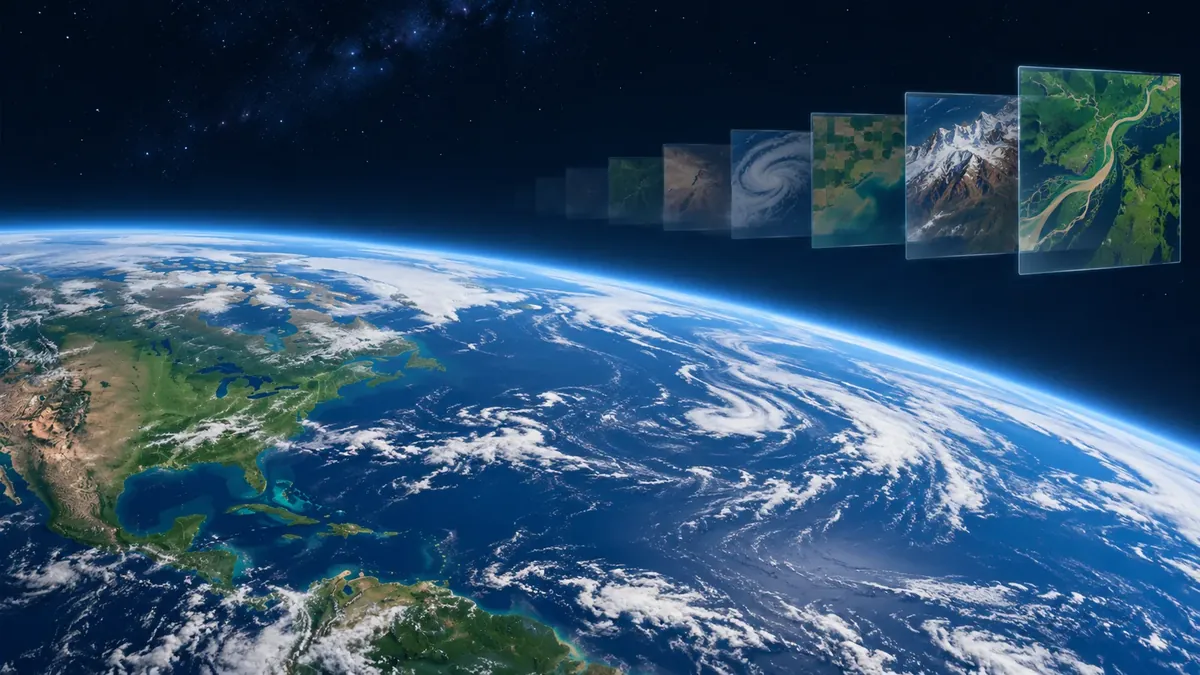
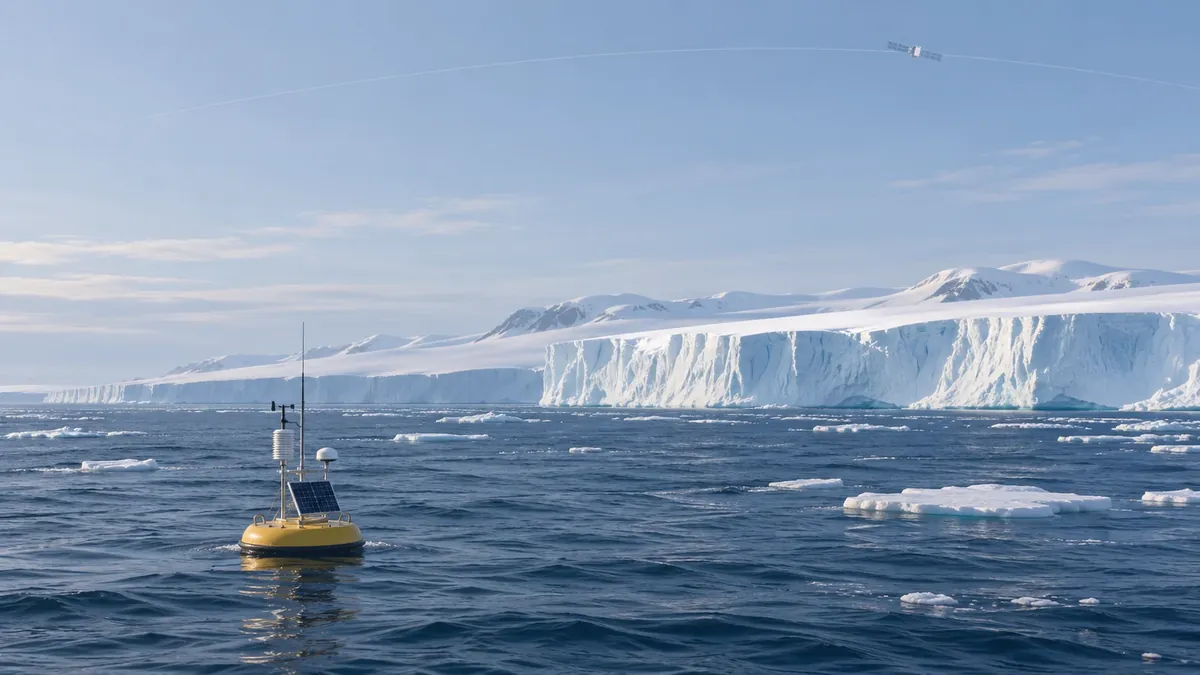
Satellite observations and field measurements have different roles. ESA highlights alignment with in-situ observations for calibration and validation, together with interoperable data and models. A cross-cutting Earth-observation group is considering coverage and the resources needed to make datasets useful across projects.
For readers following climate research, the significant point is the chain from a measurement to a usable comparison. A large collection of observations is more valuable when another team can understand what was measured, how it was checked and which limitations remain. Common procedures and data descriptions help establish that chain.
What remains to be delivered
Consultation over the coming weeks will feed the implementation plan. The schedule described by ESA is prospective: it does not announce a completed observing network, newly proven climate findings or finished campaigns for 2027–2030.
The initiative also aims to leave a useful data legacy for the fifth International Polar Year in 2032–2033. The nearer test will be more concrete: whether the published plan sets out compatible observations, responsibilities and accessible information clearly enough for participating teams to work together. The November update is a step toward that coordination, with the final document still to come.
 Felix Honigwachs